
Ground-Level Spaces That Expand Your Yard
Patio Construction in Houston for properties needing functional outdoor areas without elevated structures
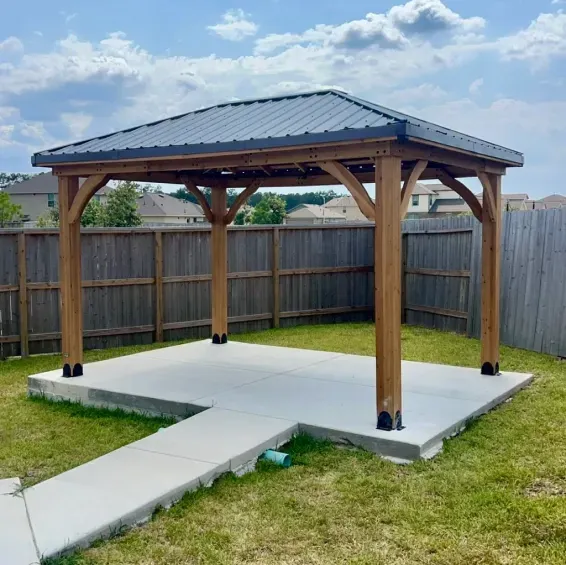
When your yard lacks usable flat space for furniture, grilling equipment, or outdoor dining, a properly constructed patio solves the problem by creating a stable surface that doesn't shift, settle, or turn muddy when it rains. Dane Construction & Remodeling installs concrete, paver, and stone patios across Houston designed to handle foot traffic, weather exposure, and the weight of outdoor furniture without cracking or developing uneven sections. You'll notice the difference immediately when you can place seating without wobbling and walk across the surface in any weather without tracking mud indoors.
Patio construction starts with excavation to remove unstable soil and vegetation, followed by base material compaction that prevents settling and drainage issues. Concrete patios provide a single continuous surface that can be finished with texture or color treatments, while paver and stone installations allow for pattern variation and easier future repairs if individual sections need replacement. Base preparation matters more than surface material choice in Texas—without proper compaction and drainage slope, any patio will develop low spots where water pools or sections that sink over time.
Arrange a site evaluation to identify drainage patterns and discuss material options suited to your outdoor layout.
What Proper Patio Installation Requires
The installation process involves grading the excavated area to direct water away from your home's foundation, installing compacted base layers that distribute weight evenly, and setting the surface material with edge restraints that prevent spreading or shifting. For paver patios, joint sand gets swept between units and compacted to lock them in place. Concrete patios require control joints cut at specific intervals to manage cracking as the material cures and expands with temperature changes.
After completion, your patio surface stays level when you set furniture on it, and water runs off toward yard areas instead of pooling against your home or collecting in surface depressions. The edges remain defined without pavers spreading outward or concrete crumbling along borders. You can walk across the surface immediately after installation with pavers, while concrete requires curing time before handling full furniture loads.
Patio size and shape get customized to fit existing landscaping, complement door locations, and provide adequate space for intended uses like dining areas or fire pit surrounds. Projects include removal of old patio materials if you're replacing an existing installation and coordination with any adjacent deck, fence, or landscaping features.
Questions Property Owners Typically Ask
Most patio questions involve material durability, installation timing, and how different surface options perform in outdoor conditions.
How do concrete and paver patios compare for long-term use?
Concrete patios create seamless surfaces that can't shift but may develop hairline cracks over time as the ground settles. Paver patios allow individual unit replacement if damage occurs and handle ground movement better through flexing joints, though they require occasional re-sanding and edge maintenance.
What causes patios to settle or develop uneven areas?
Insufficient base compaction, poor drainage design, or installing over unstable soil leads to settling problems. Proper construction includes excavating to stable soil depth, compacting base materials in layers, and sloping the surface away from structures.
When is the best time to install a patio in Houston?
Drier months reduce delays from rain and allow better base compaction, though patio work proceeds year-round with adjustments for wet conditions and concrete curing requirements.
Why does water sometimes pool on patio surfaces?
Improper slope during installation or settling in low spots causes drainage problems. Patios should slope at least one-quarter inch per foot away from your home to prevent water accumulation.
What's involved in patio construction from start to finish?
The process includes site layout, excavation, base material installation and compaction, edge restraint placement, surface material installation, joint filling for pavers, and cleanup of excess materials once the project completes.
Dane Construction & Remodeling evaluates your yard's drainage conditions and existing landscaping before recommending material options and layout configurations. Request a patio consultation to discuss material performance and design options tailored to your outdoor space.