

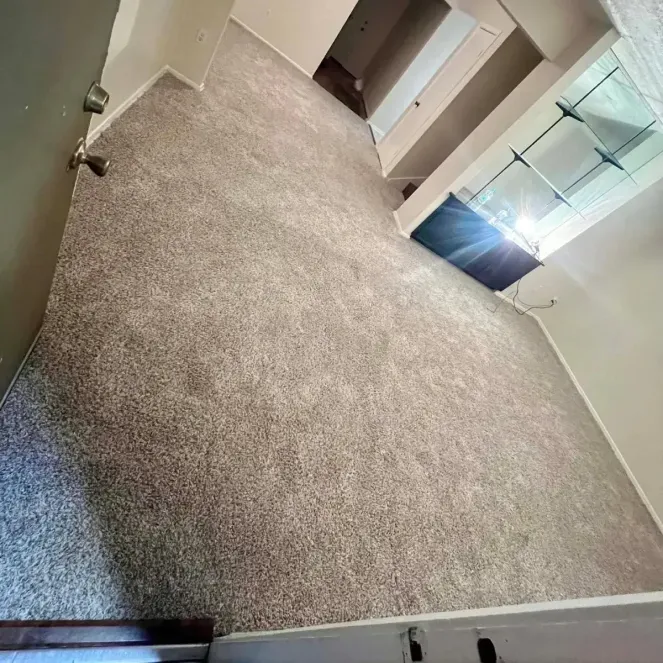
Surfaces That Handle Daily Foot Traffic
Flooring Replacement in Houston for homes with worn, damaged, or outdated interior floor surfaces
Scratched hardwood, cracked tile, or lifting vinyl makes rooms look neglected and creates tripping hazards where edges curl or grout lines sink below surrounding surfaces. Dane Construction & Remodeling handles flooring replacement for living rooms, bedrooms, hallways, and common areas across Houston residential properties where old materials no longer perform or match updated interior design. The work involves removing damaged flooring down to the subfloor, addressing any moisture or structural issues that caused the original failure, and installing new materials that provide improved durability and visual consistency throughout the space.
Flooring replacement starts with material selection based on room function, moisture exposure, and desired appearance. Vinyl flooring resists water and cleans easily in high-traffic areas like kitchens and entryways. Laminate products provide wood-grain appearance without solid hardwood maintenance requirements and cost. Tile installations work well in bathrooms and utility areas where water exposure occurs regularly. Each material type requires specific subfloor preparation—smooth, level surfaces for vinyl and laminate, and properly sloped, waterproofed substrates for tile.
Request a flooring estimate to compare material options and review installation requirements for your specific rooms.
How Flooring Installation Addresses Underlying Problems
The removal process exposes subfloor conditions that may have contributed to flooring failure, including moisture damage from plumbing leaks, uneven joists that created dips and humps, or inadequate underlayment that allowed flexing and cracking. Subfloor repairs happen before new flooring goes down, ensuring the replacement material installs over a stable, level base. Underlayment selection depends on the finish flooring—moisture barriers under vinyl, sound-dampening foam under laminate, or cement backer board under tile.
After installation completes, your floors feel solid underfoot without bouncing or flexing when you walk across them. Seams between planks or tiles line up evenly, and the surface sits flush with door thresholds and transitions to adjacent rooms. Colors and patterns appear consistent across the entire installation without mismatched dye lots or pieces that don't align properly. Rooms look larger and cleaner when flooring runs uniformly without patched sections or areas where old and new materials meet awkwardly.
Flooring projects include furniture moving when necessary, baseboard removal and reinstallation, and disposal of old flooring materials. Installation timelines vary by material type—vinyl and laminate typically install faster than tile, which requires setting time for mortar and grout before the floor handles traffic.
Answers to Frequent Service Questions
Flooring questions usually involve material performance comparisons, installation disruption, and how new surfaces hold up in specific room conditions.
What flooring material works best for high-traffic residential areas?
Vinyl flooring resists scratches and water damage better than laminate in kitchens and entryways, while laminate provides more convincing wood appearance in living rooms and bedrooms where moisture exposure stays minimal. Tile offers maximum durability but feels harder underfoot and requires grout maintenance.
How long does flooring replacement take from removal to usable surfaces?
Installation duration depends on room size and material type—vinyl and laminate projects often complete in one to three days for average rooms, while tile work requires additional time for mortar curing and grout application before you can walk on finished surfaces.
Why do some floors develop squeaks or soft spots after installation?
Inadequate subfloor fastening, moisture damage left unaddressed during replacement, or installation over uneven substrates causes most post-installation problems. Proper replacement includes subfloor inspection, repairs to damaged areas, and leveling compound application where needed.
What preparation happens before new flooring goes down?
Old flooring gets removed completely, exposing the subfloor for inspection and repair. Any damaged sections get replaced or reinforced, and the surface gets leveled to manufacturer specifications for the new material. Underlayment installs according to flooring type requirements.
How do I know which flooring option suits my home's conditions?
Material selection depends on room moisture levels, expected foot traffic, subfloor condition, and appearance preferences. A site evaluation identifies which materials work best for your specific rooms and budget considerations.
Dane Construction & Remodeling evaluates subfloor conditions before recommending materials, provides samples to compare appearance and texture, and coordinates installation timing to minimize disruption. Contact our team to discuss flooring options and receive a detailed project estimate based on your room dimensions and material preferences.